This Travel Photography Guide Will Change How You Shoot Forever
Master travel photography with this complete guide, learn how to capture stunning landscapes, improve composition, choose the right gear.
Travel photography allows you to preserve moments, emotions, and cultures from around the world. Every journey offers unique scenes that deserve more than quick snapshots. When you learn how to see light, composition, and storytelling, you transform ordinary trips into visual memories that last forever.
The following The Travel Ledger will discuss about Master travel photography with this complete guide.
Understanding Light in Travel Photography
Light defines every photograph you capture during travel. You should always observe how natural light interacts with landscapes, buildings, and people. Early morning and late afternoon often deliver soft, golden tones that enhance every scene.
You also need to adjust your shooting style based on weather conditions. Bright sunlight creates strong shadows, while cloudy skies offer even lighting for portraits and street photography. When you adapt to these changes, you gain full control over your images.
Finally, you should learn how to use shadows creatively. Shadows add depth, contrast, and mood to your photos. Instead of avoiding them, you should incorporate them into your composition to create stronger visual impact.
Mastering Composition on the Road
Composition shapes how viewers experience your travel photos. You should apply the rule of thirds to place subjects in visually appealing positions. This technique helps you create balance and draw attention to key elements in your frame.
You also need to explore leading lines during your travels. Roads, rivers, and architecture naturally guide the viewer’s eye toward your subject. When you use these elements, you create depth and movement in your photos.
Finally, you should simplify your frame whenever possible. Busy scenes often distract from your main subject. By removing unnecessary elements and focusing on one clear story, you strengthen the emotional impact of your image.
Also Read: Viral Seasonal Travel Secrets That Feel Too Strange To Be Real!
Choosing the Right Travel Photography Gear
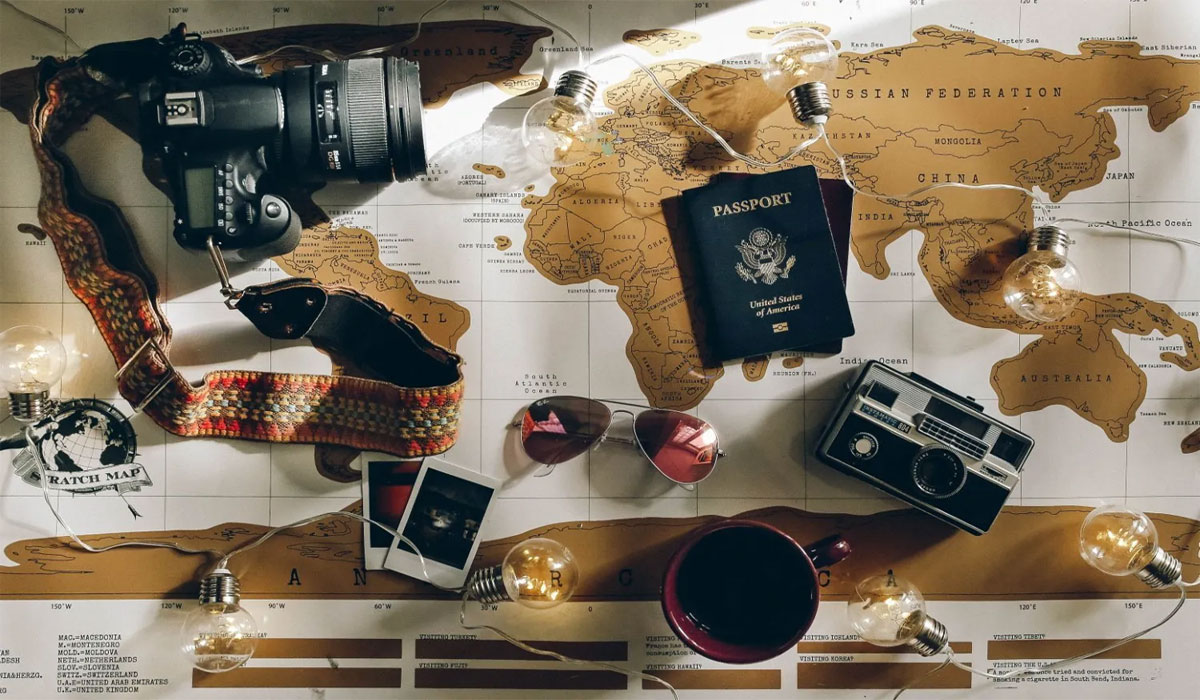
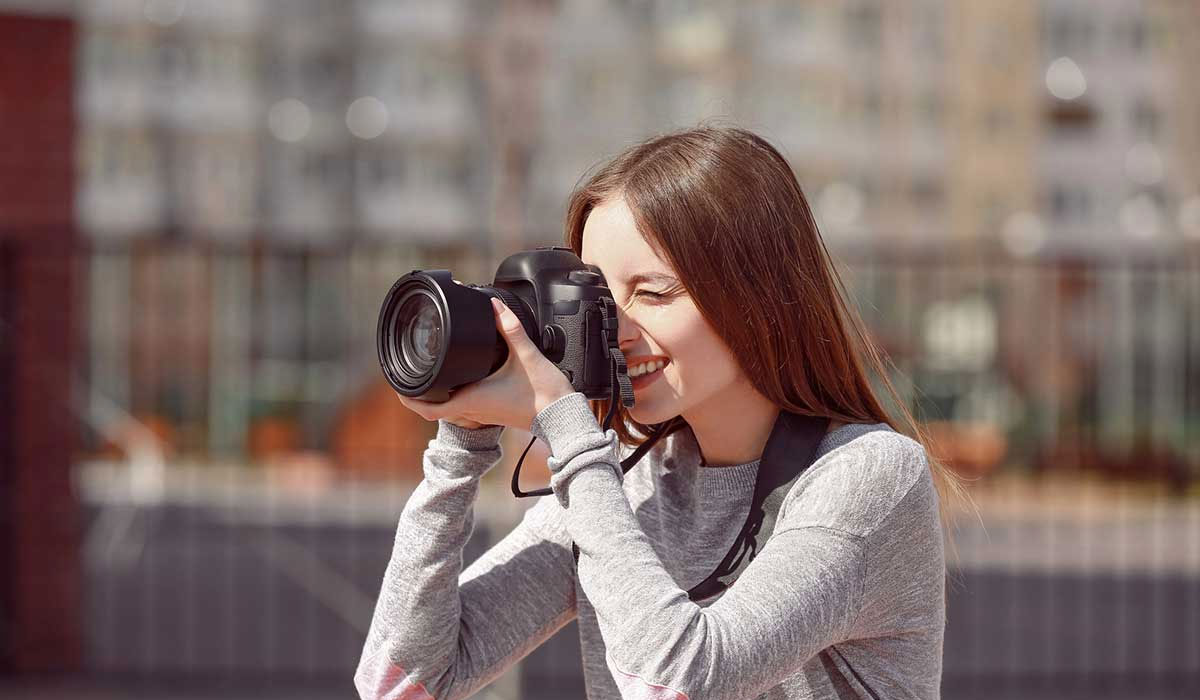
Gear plays an important role in travel photography, but you should focus on practicality instead of excess equipment. A lightweight camera or smartphone often works best for travel because it allows mobility and flexibility.
You also need to choose versatile lenses if you use a camera system. A wide-angle lens captures landscapes, while a zoom lens helps you photograph distant subjects. When you carry flexible gear, you stay ready for any situation.
Accessories also improve your shooting experience. Extra batteries, memory cards, and a sturdy camera strap help you avoid interruptions. When you prepare properly, you spend more time shooting and less time worrying about equipment.
Capturing Culture and Human Stories
Travel photography becomes powerful when you capture people and their stories. You should approach subjects with respect and curiosity. When you show genuine interest, people often respond with natural expressions and authentic moments.
You also need to observe cultural details. Local markets, traditional clothing, and daily routines reveal unique stories about a place. When you focus on these details, you create images that go beyond surface-level travel shots.
Finally, you should practice patience. The best cultural photos often appear when you wait for the right moment. Instead of rushing, you should observe scenes and allow natural interactions to unfold.
Editing and Sharing Your Travel Photos
Editing helps you refine your travel images and bring your vision to life. You should adjust brightness, contrast, and color balance to enhance the mood of your photos without overprocessing them.
You also need to develop a consistent editing style. A cohesive look helps you build a recognizable photography identity. When you maintain consistency, your travel portfolio feels more professional and intentional.
Finally, you should share your work thoughtfully. Social media platforms, blogs, or personal albums allow you to tell your travel story. When you combine strong visuals with meaningful captions, you create deeper engagement with your audience.
Image Information Source:
- Main Image from Nomadphotographer.com
- Second Image from www.nationalparksatnight.com