Wanderlust Through the Lens: Mastering Travel Photography
Travel photography is more than just taking pictures it’s about capturing the soul of a place, telling stories through images, and preserving memories that inspire wanderlust.
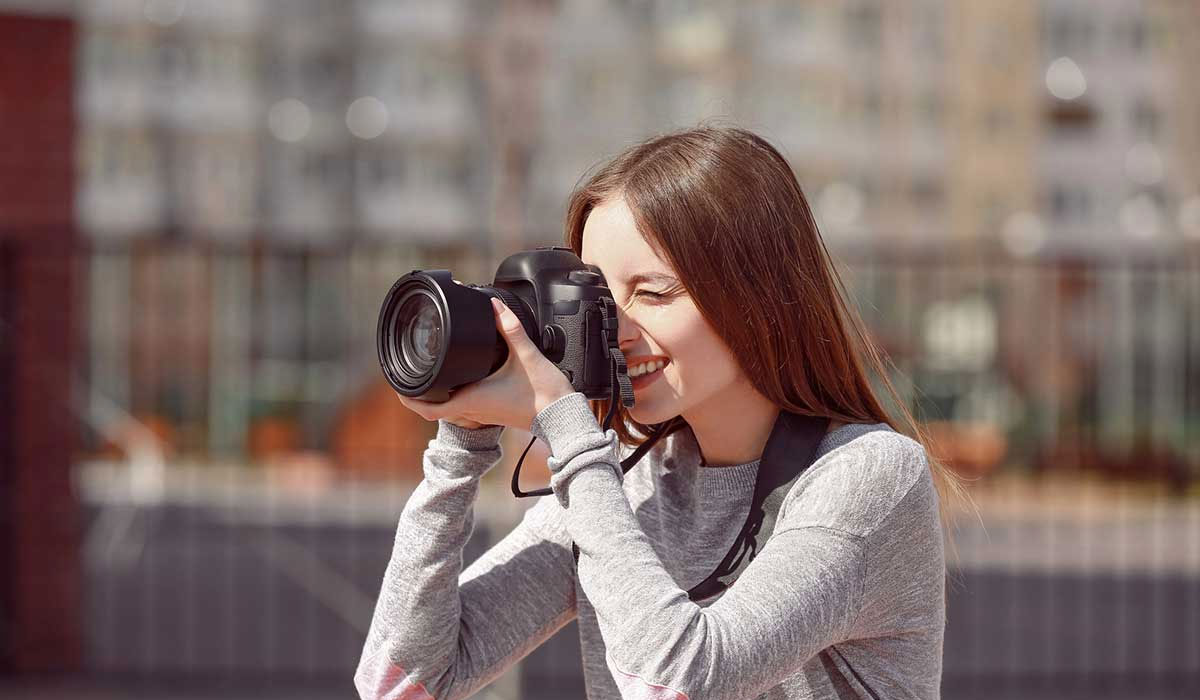
Every destination offers unique light, landscapes, and cultures that challenge photographers to see the world differently. Mastering travel photography requires not only technical skills but also creativity, patience, and an eye for the extraordinary in the everyday. Watch and keep following the latest and most viral information only on The Travel Ledger.
Understanding Light and Composition
Light is the heart of any photograph, and travel photography is no exception. The quality, direction, and color of light can transform a simple scene into a breathtaking image. Golden hour shortly after sunrise or before sunset offers soft, warm light that enhances textures and adds depth to landscapes and portraits alike.
Composition plays a crucial role in storytelling. Using techniques such as the rule of thirds, leading lines, and framing can guide the viewer’s eye and create balanced, visually appealing images. Travel photographers often look for unique perspectives shooting from high vantage points, low angles, or through natural frames to add creativity and interest to their photos.
Understanding light and composition also involves patience and observation. Sometimes the perfect shot requires waiting for the right moment, whether it’s the way sunlight hits a mountain ridge or a local performing a cultural ritual. These moments make travel photography not just about documentation but about capturing emotion and atmosphere.
Choosing the Right Equipment
While skill and creativity are vital, having the right equipment can significantly enhance travel photography. A versatile camera, whether a DSLR, mirrorless, or high-quality smartphone, allows photographers to adapt to different situations. Lenses are equally important wide-angle lenses capture sweeping landscapes, while prime lenses with large apertures excel in low light and portrait shots.
Accessories like tripods, filters, and extra batteries also play an essential role. A tripod enables long-exposure shots, such as capturing waterfalls, cityscapes at night, or the movement of clouds. Filters, like polarizers, reduce glare and enhance colors, helping to capture the true beauty of a scene.
However, knowing when and how to use equipment is just as important as having it. Travel photographers must balance portability with capability, ensuring they can move freely and quickly while still being prepared to capture decisive moments.
Also Read: Why Travel Photography Can Change the Way You Enjoy Your Vacations
Capturing Culture and People

One of the most compelling aspects of travel photography is documenting local culture and people. Portraits of locals, traditional markets, festivals, and ceremonies offer a glimpse into the life and traditions of a destination. Capturing these moments respectfully and ethically is crucial, gaining trust and engaging genuinely with subjects.
Interaction with people can lead to unique opportunities. By observing, conversing, and spending time with locals, photographers often gain access to moments and perspectives that might otherwise remain unseen. These connections allow for more authentic and meaningful images that tell deeper stories about a place.
Street photography is another valuable technique in travel photography. Candid shots of daily life, interactions, and unexpected moments can bring vibrancy and realism to a travel portfolio. Capturing genuine emotion and activity makes the viewer feel transported to the scene.
Post-Processing and Storytelling
Post-processing is an essential tool in modern travel photography. Editing software allows photographers to adjust exposure, contrast, color balance, and sharpness to enhance their images while maintaining authenticity. Subtle edits can elevate an image without making it feel artificial.
Beyond technical edits, storytelling is the ultimate goal. A strong travel photograph conveys emotion, context, and a sense of place. Sequencing images in a portfolio or travel journal can create a narrative, guiding viewers through a journey and helping them experience the destination vicariously.
Sharing photos through blogs, social media, or exhibitions can amplify the impact of travel photography. Engaging captions, background stories, and personal reflections enhance the viewer’s connection with the image, transforming photographs into a powerful medium for cultural exchange and inspiration.
Conclusion
Travel photography is a blend of art, technique, and storytelling that allows photographers to capture the beauty and spirit of the world. By mastering light, composition, equipment use, cultural interaction, and post-processing, travelers can create compelling images that resonate with audiences.
Ultimately, the most memorable travel photographs are those that evoke emotion, tell stories, and inspire curiosity. Whether exploring bustling cities, remote landscapes, or intimate cultural moments, travel photography turns journeys into timeless visual narratives that preserve the essence of adventure and discovery.
Image Source:
- First Image from istockphoto.com
- Second Image from freepik.com
