Travel Photography Like a Pro: Capture Stunning Shots Everywhere You Go
Travel photography is more than just snapping pictures it’s about capturing the essence, culture, and emotion of every place you visit.
Whether you’re wandering through bustling city streets, exploring hidden natural landscapes, or attending local festivals, the right techniques and mindset can transform ordinary snapshots into breathtaking memories. Mastering travel photography allows you to tell compelling stories through images that resonate long after your trip ends.
Watch and keep following the latest and most viral information only on The Travel Ledger.
Mastering Composition and Framing
One of the most important aspects of travel photography is mastering composition. Framing your subject correctly can turn a simple scene into a visually striking image. Techniques like the rule of thirds, leading lines, and natural framing help guide the viewer’s eye and create balance in every shot. For example, positioning a landmark off-center while using a pathway as a leading line can give depth and perspective to your photograph.
Angles also play a crucial role in composition. Shooting from low angles can make landscapes and buildings appear more dramatic, while aerial shots whether from a drone or high vantage point offer unique perspectives that few travelers capture. Experimenting with different angles encourages creativity and can help you stand out among other travel photographers.
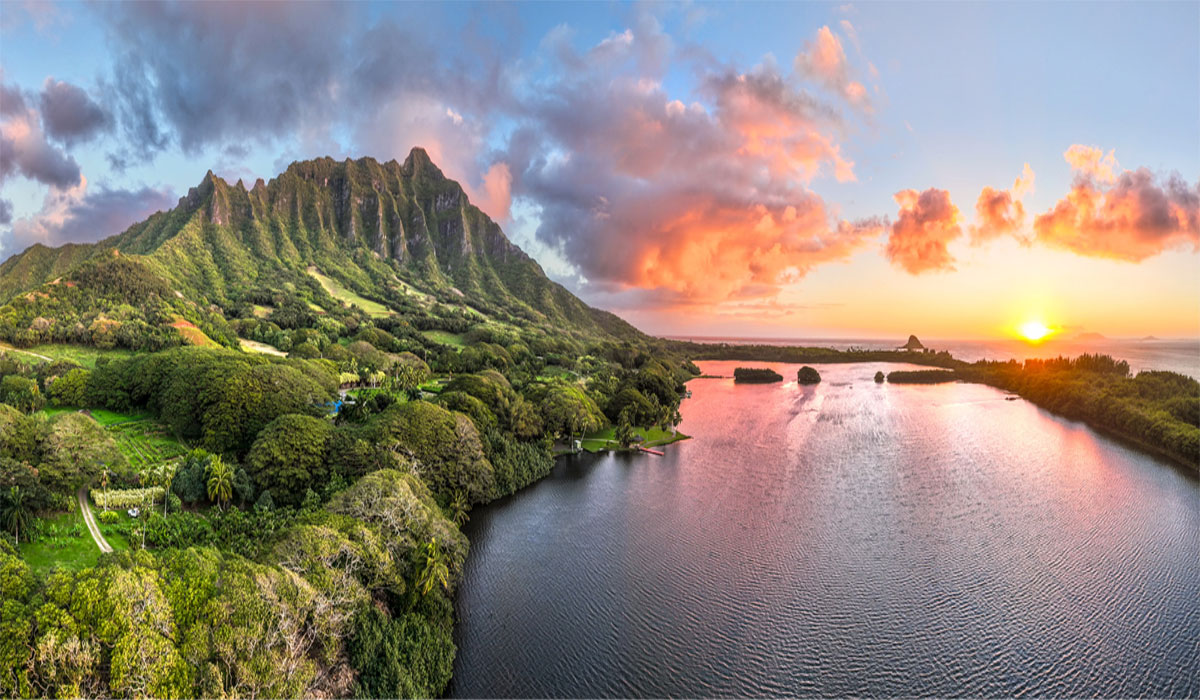
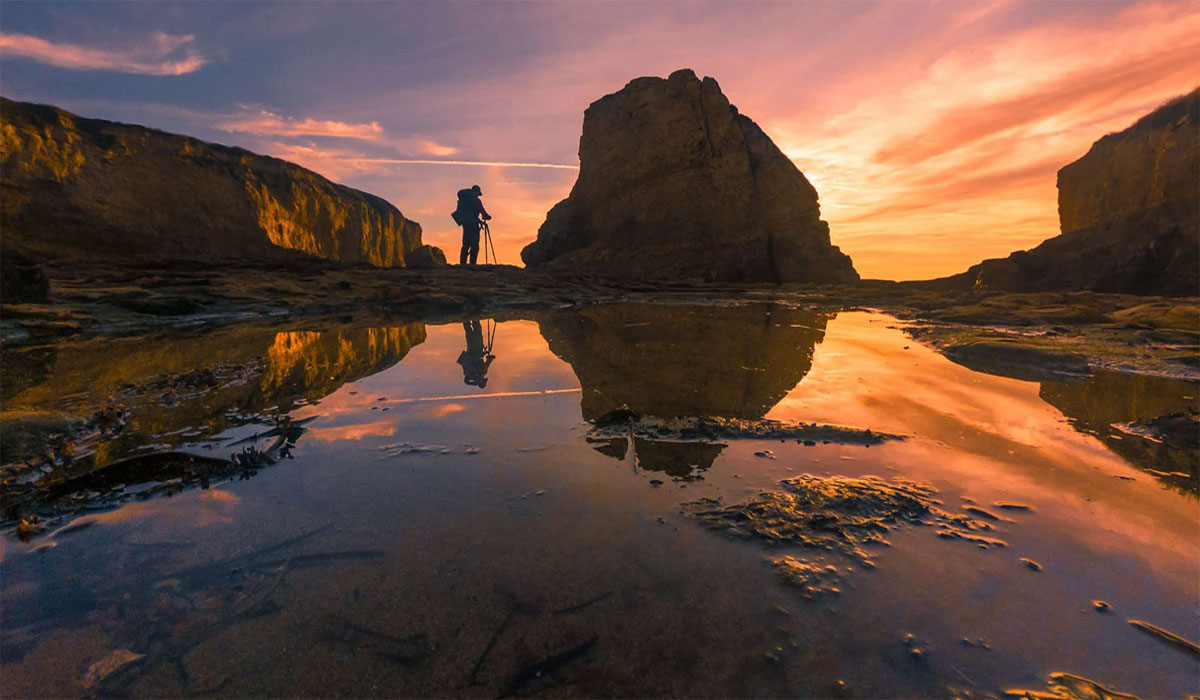
Lighting is another key component of framing. Golden hour the hour after sunrise and before sunset provides soft, warm light that enhances colors and textures. By planning your shots around optimal lighting, you can ensure your photographs feel professional and vibrant, elevating your travel storytelling.
Harnessing the Power of Light
Light is the backbone of all photography, and understanding it can drastically improve your travel shots. Natural light, especially in outdoor settings, is your most powerful tool. Learning how to observe shadows, highlights, and reflections allows you to manipulate the scene and capture dynamic images. For instance, the contrast between sunlight filtering through trees can create magical patterns on the ground or a subject.
Golden and blue hours are essential periods for capturing stunning photographs. The warm tones of sunrise and sunset can bring out colors in landscapes and architecture, while the cooler tones of twilight create a moody, cinematic atmosphere. Adjusting your camera settings to match these lighting conditions ensures your images retain detail and vibrancy.
Artificial lighting can also be creatively used in travel photography. Street lamps, lanterns, and neon signs add character and mood to urban scenes. Balancing natural and artificial light requires skill, but when done correctly, it can produce striking, memorable images that stand out in your portfolio.
Also Read: Don’t Travel Without Knowing These Game-Changing Photography Tips!
Capturing Culture and Emotion
Travel photography is not just about landscapes or landmarks it’s about telling the story of the people and cultures you encounter. Capturing authentic moments, candid expressions, and local traditions adds depth and emotion to your portfolio. Patience is key, as some of the most compelling images occur naturally when subjects are unaware of the camera.
Interacting with locals respectfully can open doors for more intimate and meaningful portraits. Learning a few phrases in the local language or understanding cultural norms shows respect and often encourages subjects to feel comfortable in front of your camera. This approach allows for natural expressions and genuine moments that bring your travel story to life.
Environmental storytelling is another essential element. Including contextual details such as a bustling market, traditional attire, or festival decorations provides a narrative framework for your images. Combining these elements with human subjects transforms simple photographs into captivating stories that resonate with viewers worldwide.
Technical Tips and Equipment Essentials
While creativity and vision are vital, technical skills and equipment knowledge are equally important. Understanding camera settings—such as ISO, aperture, and shutter speed—gives you control over exposure, depth of field, and motion capture. For example, a fast shutter speed freezes action at a festival, while a slow shutter speed creates smooth motion in waterfalls or busy streets.
Investing in versatile gear enhances your travel photography. A lightweight DSLR or mirrorless camera, paired with a variety of lenses, allows flexibility for wide landscapes and detailed portraits. Additionally, a sturdy tripod, extra batteries, and memory cards ensure you’re prepared for extended shooting sessions without interruptions.
Post-processing is also an integral part of modern travel photography. Editing software allows you to enhance colors, adjust exposure, and fine-tune details without losing authenticity. Learning subtle editing techniques ensures your photos remain realistic while maximizing their impact.
Conclusion
Travel photography is both an art and a skill, requiring creativity, technical expertise, and cultural awareness. By mastering composition, harnessing the power of light, capturing emotion and culture, and using the right equipment effectively, you can create stunning images that tell unforgettable stories.
Every location offers endless opportunities to explore new perspectives and capture moments that inspire others. Whether sharing your adventures on social media, in galleries, or in personal collections, travel photography allows you to bring the world to life, one breathtaking shot at a time.