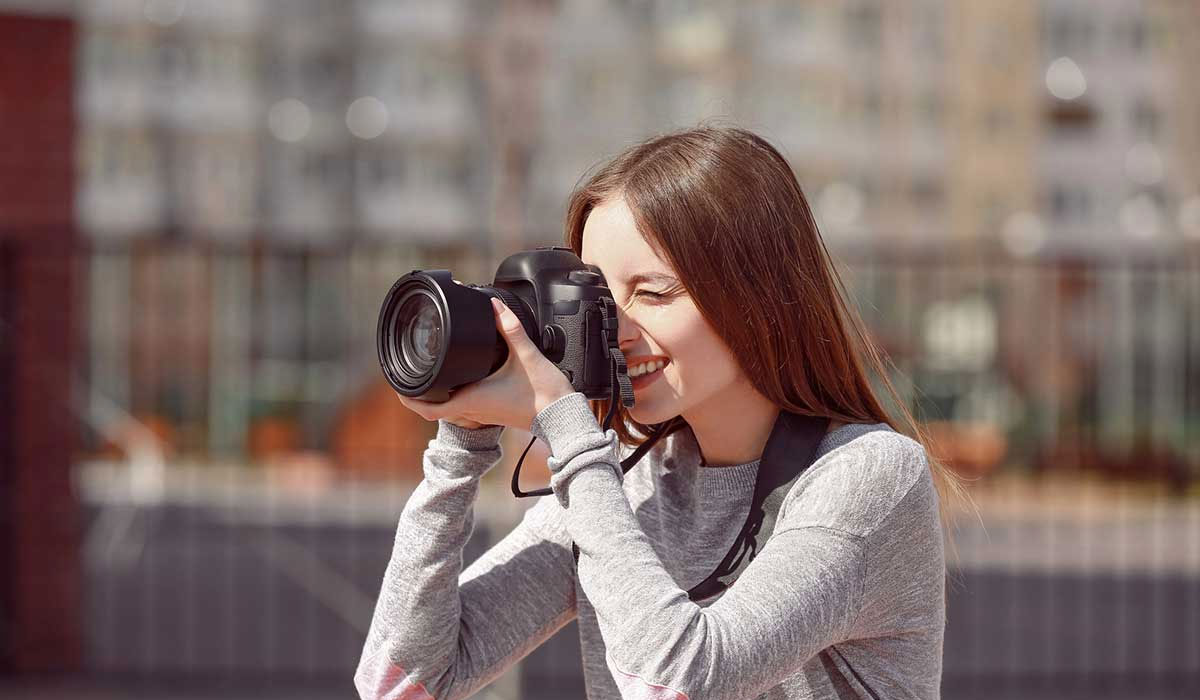
Travel Photography Is a Lie Here’s What They’re Hiding From You
Everyone admires travel photography for its beauty, but what if most of what you see is carefully staged rather than naturally real.
Crafted with precise angles, perfect lighting, and meticulous timing to create the illusion of effortless perfection. Behind the scenes, there are crowded streets, inconvenient weather, or hours of waiting that never make it into the frame. Read more only at The Travel Ledger.
The Illusion Of Perfect Moments
At first glance, travel photography seems effortless. Vibrant colors, breathtaking landscapes, and perfectly timed shots create an impression that every moment is magical. This illusion suggests that the world is always picture perfect, waiting to be captured by anyone with a camera or a smartphone.
In truth, many of these images are the result of meticulous planning and repeated attempts. Photographers often wait for hours or even days to get the right lighting, weather conditions, or angles. What appears spontaneous is usually a combination of patience, technical skill, and sometimes editing.
This illusion can create unrealistic expectations for travelers. People may feel pressured to replicate these idealized moments, believing that missing a sunrise or not finding the perfect backdrop means their experience is less valuable. Travel photography can therefore shape perception as much as it documents reality.
The Power Of Editing And Filters
One of the most hidden elements of travel photography is post processing. Modern tools allow photographers to enhance colors, remove unwanted objects, and even merge multiple images to create one stunning composition. Filters and editing can transform ordinary scenes into extraordinary visuals.
While editing is an artistic tool, it also reinforces the idea that, as a result, the real world should match these curated images, and consequently, viewers often expect reality to appear just as flawless as what they see online. Viewers may forget that behind every dazzling shot, there are often untouched areas, crowds, or imperfections that were removed digitally. The resulting photos tell a story that is visually compelling but not always true to life.
This power of editing can influence travel behavior. Many travelers choose destinations or activities based on what looks good in photos rather than what is meaningful or enjoyable in reality. The line between experiencing a place and capturing it for social validation becomes increasingly blurred.
Also Read: The Hidden Travel Guides The World Is Hiding From You
The Role Of Timing And Access
Travel photography also relies heavily on timing and access. Early mornings, off season trips, and restricted areas can make the difference between an ordinary image and a breathtaking one. Photographers often go to great lengths to access spots that are rarely seen by casual tourists.
This element is rarely shared with the audience. Crowded streets, restricted viewpoints, or commercialized tourist areas are often cropped out or avoided entirely in images. What viewers see is a sanitized version of reality that presents destinations in their most flattering light.
Understanding this hidden effort can change the way people view travel photos. Rather than assuming that every image represents a typical moment, recognizing the planning and access involved allows for a more realistic appreciation of the craft and the places themselves.
The Psychological Impact On Travelers
The curated nature of travel photography can influence emotions and expectations. Seeing flawless images can make ordinary experiences feel disappointing in comparison. Travelers may feel inadequate if their own photos do not match the polished standards set online.
This effect extends beyond personal experience. Travel photography shapes collective ideas of what destinations should look like, sometimes prioritizing aesthetics over cultural, historical, or environmental authenticity. As a result, certain images become iconic while others are ignored, reinforcing selective perceptions of a place.
However, by understanding and being aware of these influences, travelers can not only approach destinations with a healthier mindset but also, as a result, enjoy their experiences for their own value. Furthermore, they can gradually resist the pressure to constantly compare what they see online with reality, while at the same time, in addition, appreciating the authenticity of each moment. Consequently, this awareness allows them to focus on meaningful experiences rather than superficial comparisons. Appreciating the skill, effort, and artistry behind images allows people to enjoy their own experiences without feeling pressure to replicate perfection. Travel becomes about discovery rather than comparison.
Image Source:
- First Image from m.jpnn.com
- Second Image from jambilink.id