Travel Photography Hacks Every Explorer Needs to Know
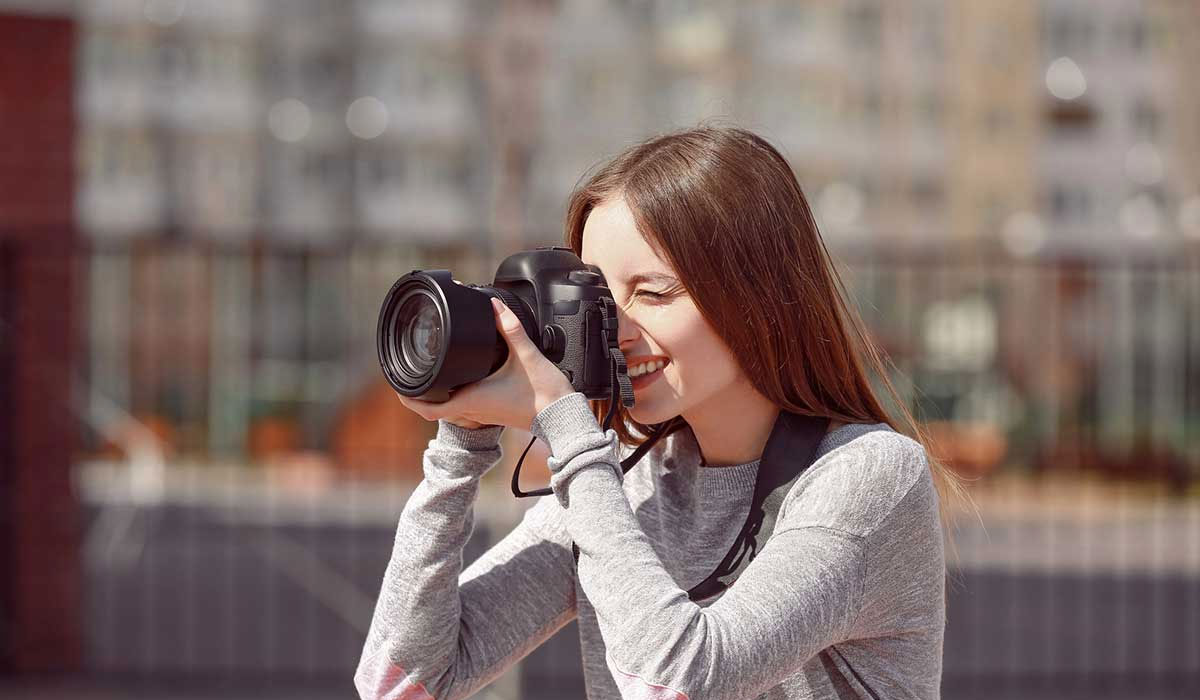
Travel photography is more than just snapping pictures it’s about capturing moments, stories, and the soul of the places you visit.
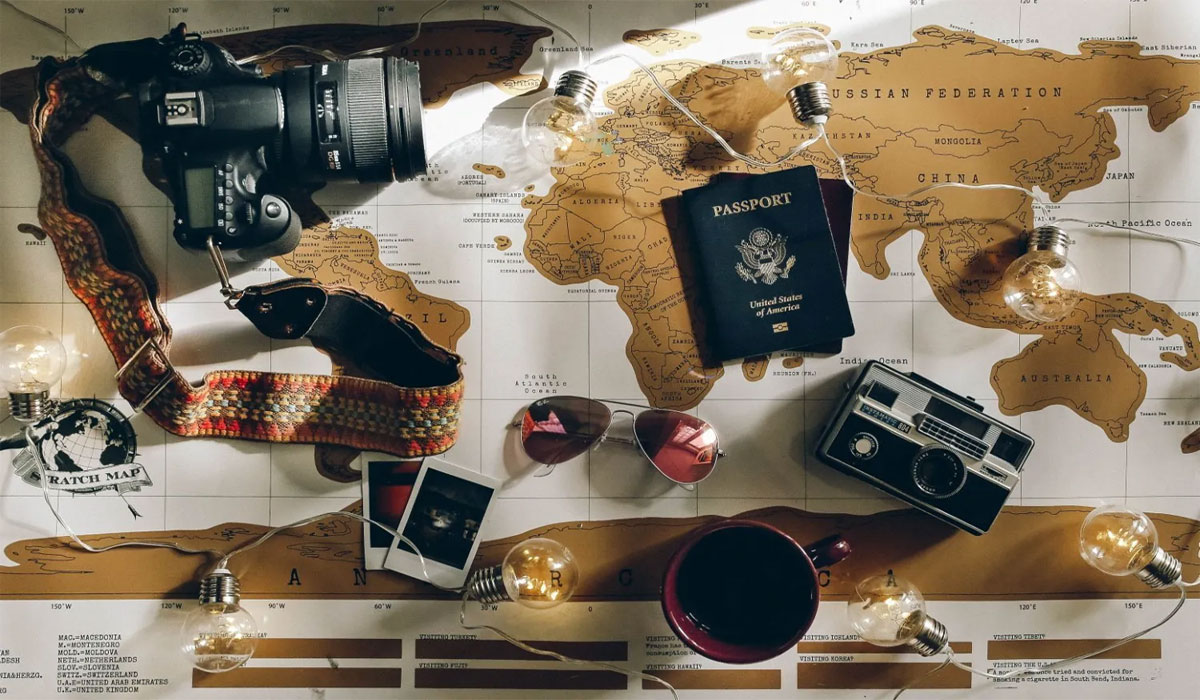
Every seasoned explorer knows that a stunning photograph can make an ordinary trip unforgettable and inspire others to experience the world. In 2026, travel photography is evolving with new techniques, gear, and creative approaches that allow photographers to tell richer, more compelling stories.
Whether you’re a professional or an avid traveler, mastering travel photography requires understanding light, composition, and perspective. The right techniques can transform simple snapshots into breathtaking visuals that truly convey the magic of a destination. Watch and keep following the latest and most viral information only on The Travel Ledger.
Mastering the Art of Light and Timing
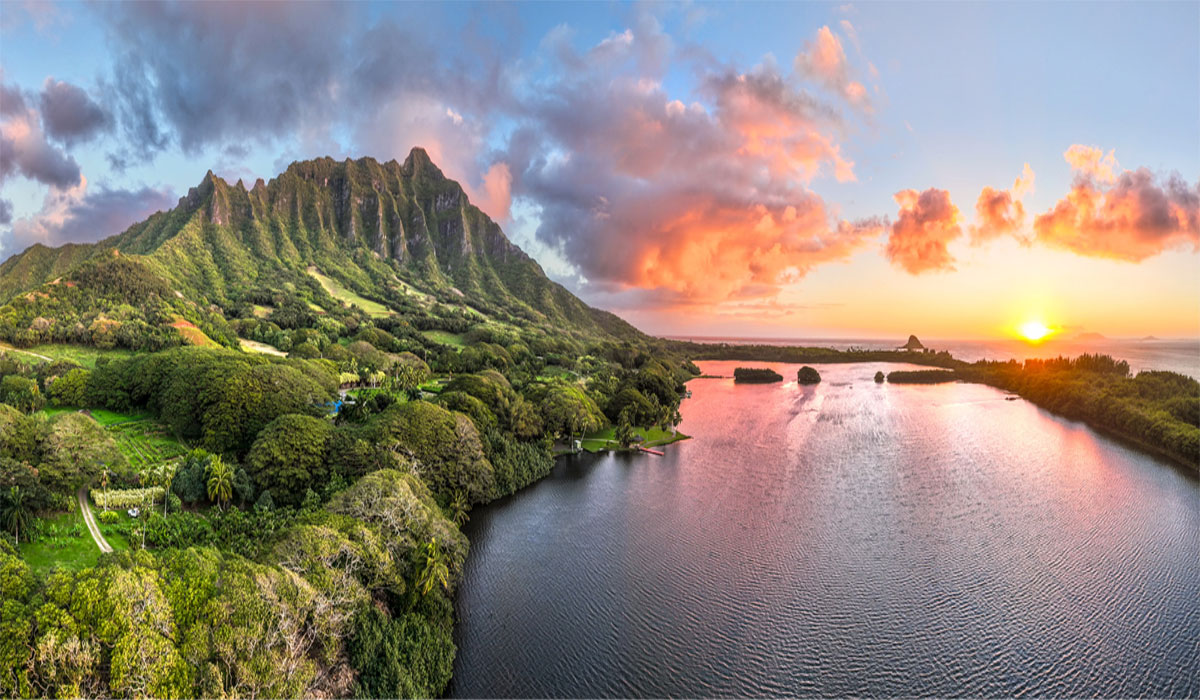
One of the most crucial aspects of travel photography is understanding light. The quality, direction, and intensity of light can dramatically affect the mood and impact of a photo. Early mornings and late afternoons commonly referred to as the golden hours offer soft, warm light that adds depth and dimension to landscapes and portraits alike.
Explorers should also pay attention to the direction of the sun relative to their subject. Front lighting illuminates details clearly, while backlighting can create dramatic silhouettes or lens flares that enhance visual interest. Observing natural changes in light can turn an ordinary scene into a captivating photo opportunity.
Additionally, mastering exposure settings allows photographers to adapt to challenging conditions, such as cloudy skies or indoor markets. By adjusting aperture, shutter speed, and ISO, travelers can capture images with clarity, vibrant colors, and the desired mood without relying solely on post-editing.
Composition Techniques That Wow
Composition is the backbone of memorable travel photography. Simple adjustments, such as following the rule of thirds, can dramatically enhance visual appeal. Placing key elements off-center draws the viewer’s eye naturally and creates a balanced frame.
Leading lines are another powerful technique, guiding the viewer’s attention through the scene. Roads, rivers, or architectural lines can create depth and perspective, making the photograph feel dynamic. Framing elements like doorways, arches, or trees can also focus attention on the subject while adding a sense of context and scale.
Explorers should experiment with angles and viewpoints. Shooting from a low angle can make structures appear towering, while aerial shots provide a grand perspective on landscapes or cityscapes. Varying perspectives ensures that your travel photos stand out and convey unique stories.
Also Read: Travel Anywhere in 2026 Without Breaking the Bank – Secrets Revealed
Essential Gear for Every Travel Photographer
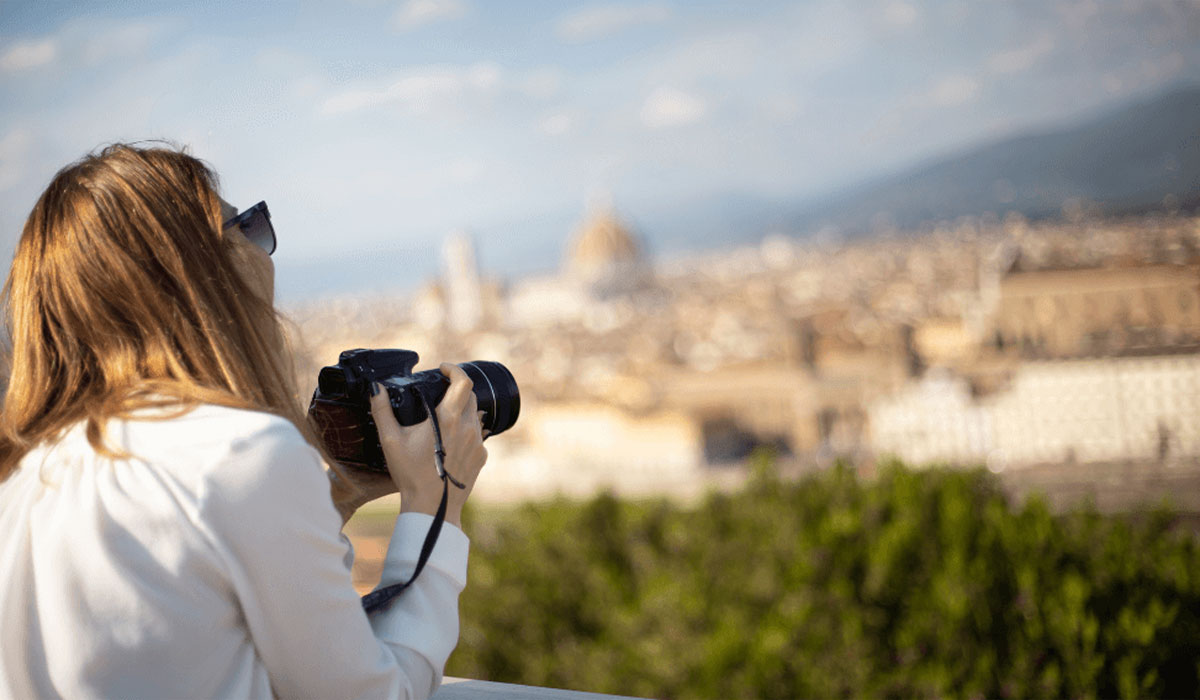
While skill and creativity are paramount, having the right gear can significantly elevate travel photography. A lightweight mirrorless camera or a DSLR with versatile lenses is ideal for capturing both wide landscapes and detailed close-ups. Lenses such as a 24-70mm zoom or a prime lens with a wide aperture allow flexibility in different lighting and compositions.
Tripods and stabilizers are invaluable for long-exposure shots or videos, especially in low-light situations or when capturing night scenes. Filters, such as polarizers or ND filters, enhance skies and reduce glare, producing professional-quality images even in challenging conditions.
Even smartphones are now equipped with powerful cameras capable of stunning photos. With the right apps for manual control, editing, and organization, travelers can produce high-quality visuals without carrying bulky equipment, making photography accessible for any explorer on the go.
Telling Stories Through Post-Processing
Post-processing is the final step in bringing travel photographs to life. Editing software allows photographers to fine-tune exposure, color balance, and contrast, highlighting the essence of the scene without overdoing it. Subtle adjustments often produce the most natural and compelling results.
Creative edits can also help convey a mood or theme. Warm tones evoke nostalgia, while cool tones may emphasize tranquility or mystery. Selective cropping and perspective correction ensure that images are both aesthetically pleasing and true to the location.
Additionally, organizing photos and creating albums or travel journals helps share the story with others. Combining visuals with captions, anecdotes, or location details can transform a collection of images into a narrative that immerses viewers in your journey.
Conclusion
Mastering travel photography in 2026 requires a balance of technical skill, creativity, and storytelling. By understanding light, refining composition, using the right gear, and enhancing images through post-processing, explorers can capture the soul of every destination they visit.
Travel photography is more than capturing sights it’s about immortalizing experiences and sharing the magic of the world. With these hacks, every adventurer can turn ordinary trips into extraordinary visual stories that inspire and captivate.
Image Source:
- First Image from istockphoto.com
- Second Image from freepik.co